
 Find Your Store
Essential Items To Budget For In Your Canadian Home Renovation

For a lot of Canadian homeowners, renovation is no longer about chasing trends. It is about fixing what feels unfinished, worn out, or frustrating in the home they can't justify leaving.
A few big factors are driving that shift:
- Statistics Canada reports that 7.3% of homes need major repairs, and 24% need minor repairs
- The Residential Renovation Price Index shows contractor costs remained elevated through 2025
- CMHC's 2025 Mortgage Consumer Survey found that more than 70% of homeowners plan to renovate within five years, mainly to improve livability, value, and maintenance
That leads to a more practical kind of renovation planning.
Instead of asking, "What would look nice?" more homeowners are asking, "What will actually improve how this home feels and functions?" The goal is not to do everything. It's to choose upgrades that create a clear, lasting difference.
What Makes Renovations in Canada Feel Worth It
A lot of budget renovation advice still leans on surface-level changes like paint, décor, or styling. Those can help, but they rarely change how a home feels long-term.
The upgrades that usually feel worth the money tend to do three things:
- improve something you notice every day
- make the home feel more solid and finished
- solve a real frustration, like noise, clutter, or visible wear
If you've watched Holmes on Homes, that pattern is familiar. The biggest improvements are rarely the most decorative ones. They are usually the upgrades that improve materials, structure, or day-to-day function.
1. Trim and Moulding: One Of The Best Returns For The Money
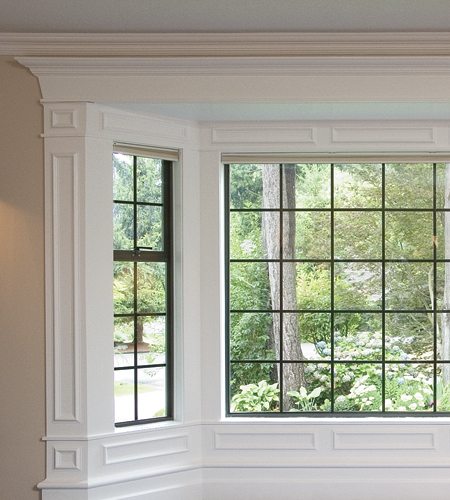
Trim and Moulding are one of the most reliable upgrades because they change how an entire room is read.
A lot of homes still feel builder-grade because of details like:
- short baseboards
- narrow door and window casings
- minimal trim around openings
- rooms that lack any real finish detail
Upgrading those elements adds proportion, weight, and structure. It is not flashy, but it works.
Common trim upgrades include:
- taller baseboards
- wider casings around doors and windows
- simple crown moulding in main rooms
Here's a practical breakdown:
| Upgrade | Typical Cost Range | What It Changes |
|---|---|---|
| Baseboards | $200 to $800 | Makes rooms feel taller and more finished |
| Casings | $150 to $600 | Defines openings and cleans up transitions |
| Crown Moulding | $300 to $1,000 | Adds structure and finish in living spaces |
In many Property Brothers renovations, upgraded trim does a lot of the heavy lifting. Even when the layout stays similar, trim helps the space feel intentionally designed instead of simply furnished.
2. Feature Walls and Panelling: Add Depth Without Redoing The Whole Room
If a room feels flat, it often needs more structure, not more stuff. That is why wall treatments continue to show up in current Canadian design trends. There's also been a recent shift toward more natural materials, texture, and warmth.
High-impact wall options include:
- Shiplap for a clean, horizontal look
- Wainscoting for a more classic structure
- Slat walls for vertical texture and a more modern feel
These work especially well in:
- Living rooms
- Entryways
- Bedrooms, especially behind the bed
- Dining nooks or home office walls
A good rule here is that one strong wall usually does more than several small updates spread around a room.
| Wall Upgrade | Typical Cost Range | Best Use |
|---|---|---|
| Shiplap | $300 to $900 | Living rooms, bedrooms, ceilings |
| Wainscoting | $400 to $1,200 | Dining rooms, hallways, and entries |
| Slat Wall | $500 to $1,200 | Accent walls, TV walls, and offices |
This is the same principle you see on shows like Fixer Upper. One architectural feature creates a focal point, and suddenly the whole room feels designed.
3. Staircase Updates: The High-Impact Upgrade People Delay Too Long

A staircase has a huge effect on how a home feels because it sits in central sightlines and connects multiple levels.
The problem is that many homeowners assume stairs require a full rebuild, so they put the project off. In reality, you can often update the parts people actually notice:
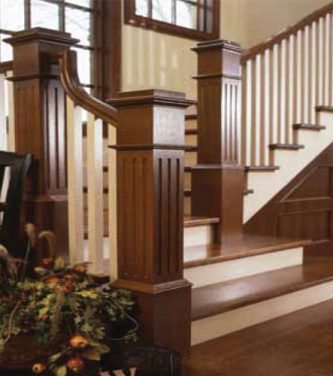
- Spindles
- Newel posts
- Handrails
- Treads and nosing
Those components can make a surprising difference.
| Stair Component | Typical Cost Range | Impact |
|---|---|---|
| Spindles | $200 to $800 | High |
| Newel Posts | $300 to $1,000 | High |
| Handrails | $300 to $1,200 | Medium to High |
| Treads and Nosing | $800 to $2,500 | Very High |
In Canadian design coverage, especially in Western Living, staircase updates are often used to modernize a home without changing the actual layout. That same idea works at smaller budgets, too. You do not need a floating architectural staircase to benefit from cleaner lines and better proportions.
4. Interior Doors: A Subtle Upgrade That Changes Daily Life
Interior Doors are easy to ignore, but once they are upgraded, the house often feels quieter, more cohesive, and better built.
Interior Doors affect the following factors
- Sound control
- Privacy
- Consistency from room to room
- The "solidness" of the house
Many homes still have hollow-core doors that feel light, look basic, and do very little to block sound. Upgrading to better interior doors can improve both feel and function.
| Door Upgrade | Typical Cost Range |
|---|---|
| Material only | $150 to $400 per door |
| Installed | $250 to $600 per door |
This is worth prioritizing when:
- Sound carries too easily between rooms
- Doors feel flimsy or cheap
- Styles are inconsistent across the home
- Bedrooms or home offices need more privacy
This is one of those upgrades you stop noticing quickly after it's done, but it improves the home every day.
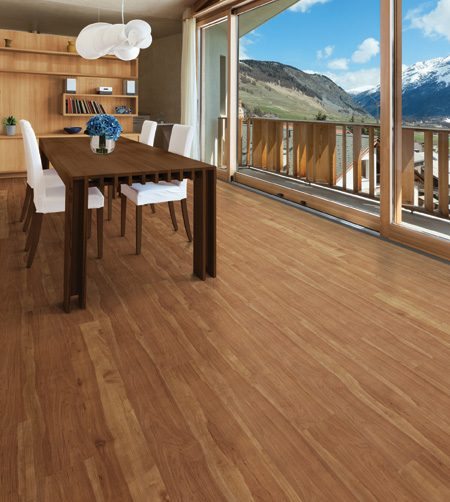
5. Flooring: Better When You Stop Treating It Like A Whole-House Project
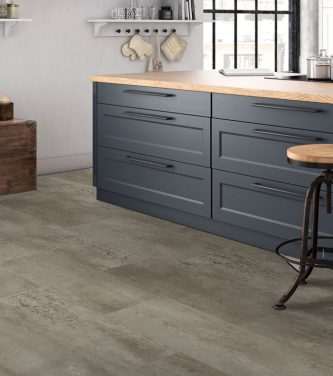
One of the main reasons people delay flooring is that they think it has to happen everywhere at once. But it doesn't have to be that way. A phased flooring plan is often much more practical. Start with the room that is either:
- Most used
- Most worn
- Most visible
This approach works because it spreads the cost over time, makes decisions easier, gives visible progress sooner, and reduces the pressure to pick everything at once.
6. Built-Ins: The Upgrade That Solves Clutter Properly
Loose furniture can fill space, but built-ins shape it. This is one of the most underrated upgrades because it improves both function and appearance at the same time.
Good built-in ideas include:
- Entry benches with storage
- Mudroom systems
- Shelving walls
- Banquette seating
- Simple media or office storage walls
| Built-In Upgrade | Typical Cost Range |
|---|---|
| Simple entry bench or shelving | $300 to $800 |
| Mudroom or larger built-in setup | $800 to $2,000 |
Built-ins reduce clutter, create structure, make awkward spaces usable, and help a home feel more custom. In Canadian homes, especially those influenced by cottage, lake, or ski-home design, storage is often designed around real life instead of decoration. That same logic works beautifully in everyday homes, too.
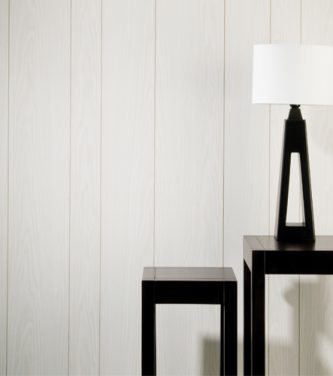
7. Waterproof Wall Panels: Refresh Worn, Moisture-Prone Spaces

Not every damp or worn-out room needs a full gut renovation. Sometimes the layout is fine, and the real problem is the surface condition.
That's where waterproof wall panels and other durable surface upgrades can be a better use of budget, especially in:
- Bathrooms
- Basements
- Laundry Rooms
- Utility Areas
| Surface Upgrade | Typical Cost Range |
|---|---|
| Small area panel refresh | $200 to $600 |
| Larger wall coverage | $600 to $1,500 |
This is especially relevant in Canadian basements, where durability and moisture performance matter more than trend-based finishes.
How To Prioritize Upgrades When The Budget Is Tight
The easiest way to get stuck is to plan by room instead of by problem. A better approach is to look at friction points. What is bothering you most right now?
| Problem | Best Upgrade | Typical Cost |
|---|---|---|
| Entry feels cluttered | Built-in storage | $300 to $1,500 |
| The room feels unfinished | Trim or panelling | $200 to $1,200 |
| Home feels dated | Stair updates | $500 to $2,500 |
| Noise issues | Door upgrade | $150 to $600 per door |
| Floors feel worn | Phased flooring | $800 to $3,500 per room |
How Windsor Plywood Helps You Turn Plans Into Real Upgrades
By the time you've narrowed things down to one problem, one space, and one upgrade, the next challenge is usually figuring out what to use and how to approach it.
That's where Windsor Plywood tends to make the biggest difference.
Instead of trying to piece things together from big-box aisles or online guesswork, you can walk into a Windsor Plywood store and actually work through your project with someone who understands how these upgrades come together in real homes.
These are just some of the ways we can smooth the process along:
-
Material guidance that fits your project
Whether you're choosing between trim profiles, panelling styles, or flooring types, getting a second opinion can help you avoid mismatched finishes or overbuilding the project. -
Products that support real upgrades, not just quick fixes
From mouldings and stair components to doors, panelling, and sheet goods, the focus is on materials that actually change how a space looks and functions. -
Advice that reflects Canadian homes and conditions
Things like moisture in basements, seasonal movement, and everyday wear all factor into what works best long-term. -
Flexibility for phased renovations
If you're upgrading one room at a time, it helps to choose materials that can carry forward into future phases without clashing.
Next steps
Browse options or visit your nearest store for product-specific guidance and certifications.