

 Find Your Store
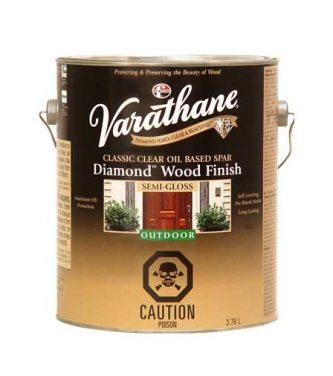
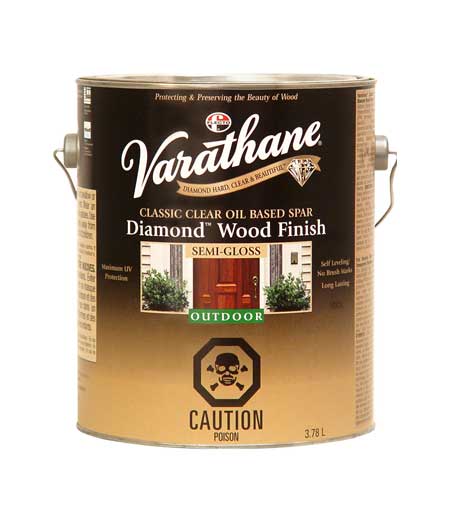
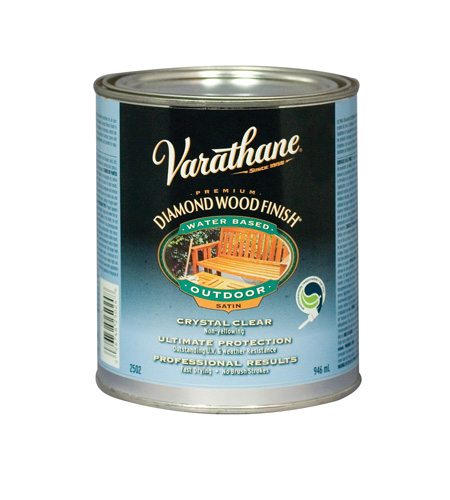
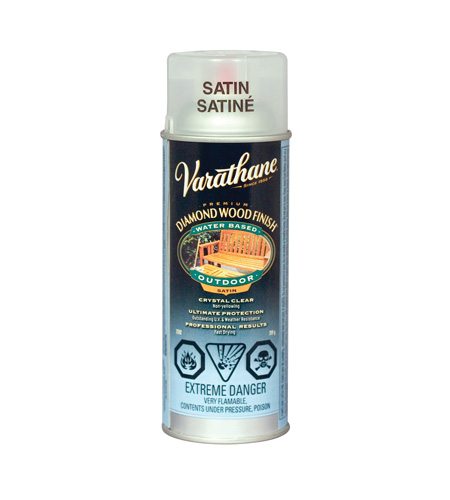
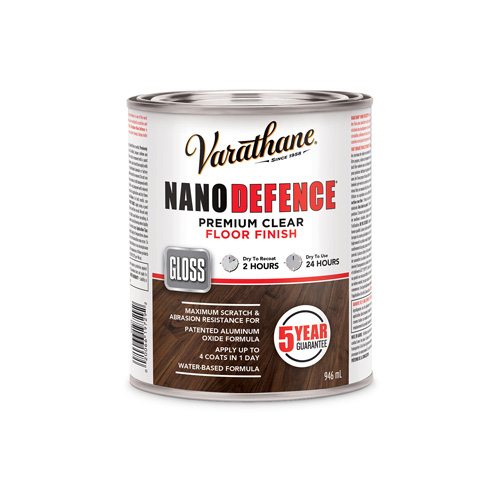
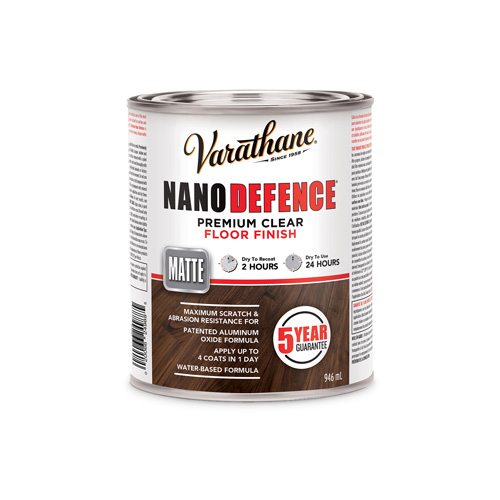
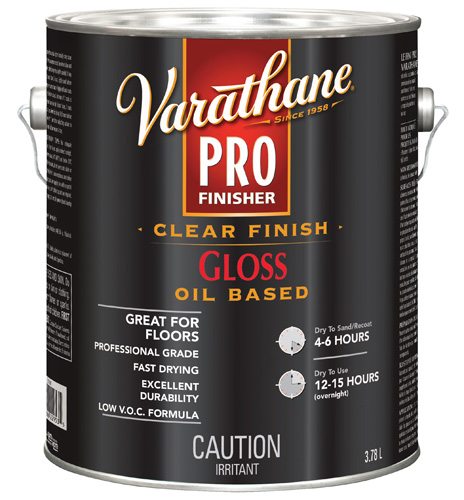
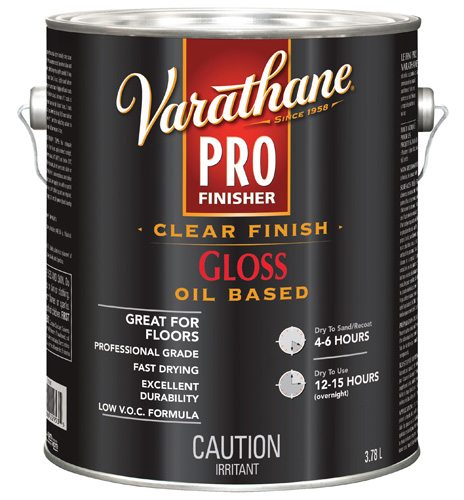
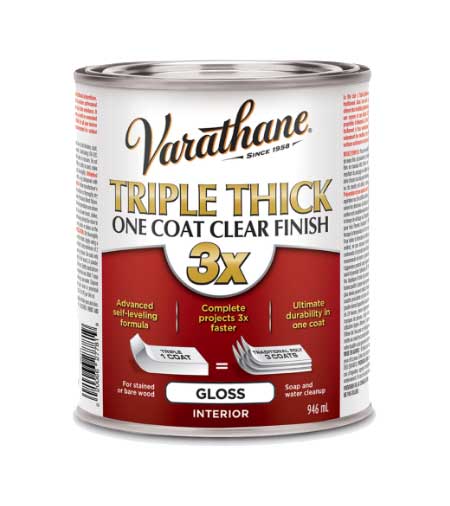
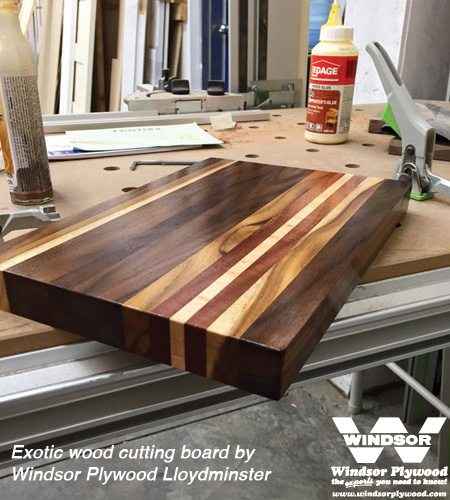
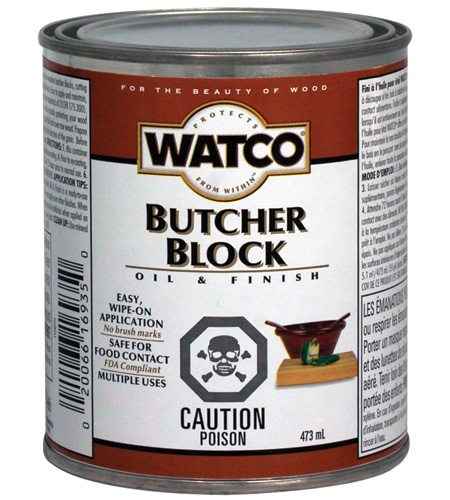
Protect and enhance your wood surfaces with high-performance sealers and finishers. Whether you're working on furniture, flooring, decks, or trim, we offer a wide selection of products designed to bring out the natural beauty of wood while providing long-lasting protection. Choose from oil-based, water-based, and environmentally friendly options to suit your project’s needs. Our collection includes clear finishes, stains, and specialty coatings for both interior and exterior use. At Windsor Plywood, we specialize in premium and hard-to-source finishing products trusted by professionals and DIYers alike. Many of our sealers and finishers are Canadian-made and selected for their quality, durability, and ease of application. Need help choosing the right product? Our knowledgeable staff is always ready to provide expert advice and personalized recommendations. Visit your local store today and get everything you need to finish your project with confidence and care.


Frequently Asked Questions
What is the difference between a sealer and a finish for wood?
A sealer is applied first to seal the wood surface, control absorbency, and improve adhesion of the finish coat. A finish is the final protective layer such as varnish, polyurethane, lacquer, or oil, that provides the desired sheen and surface protection. Some products are designed as sealer-finish combinations for simplified application.
What finish is most durable for hardwood floors?
Oil-modified polyurethane is the traditional standard for hardwood floor finishing. Water-based polyurethane dries faster and has a clearer, less amber tone but requires more coats for equivalent durability. Hardwax oils penetrate the wood rather than sitting on top and are easier to spot-repair but less resistant to water and abrasion than polyurethane.
Should I use oil-based or water-based finish for furniture?
Water-based finishes dry faster, have lower odour, and remain clear without the amber tone that oil-based products add over time. Oil-based finishes are more durable and self-levelling. For natural-coloured or lighter wood species where clarity matters, water-based is the better choice. For rich warm tones on species like walnut, the oil-based amber enhances the colour.
How many coats of polyurethane should I apply?
For floors, three coats are standard with two build coats and a light sand between each, and a final finish coat. For furniture and cabinetry, two to three coats with light sanding between each coat provides a hard, protective surface. The first coat seals the grain; subsequent coats build the film thickness that provides durability.
What exterior finish should I use on a cedar deck or fence?
A penetrating exterior oil or alkyd-based deck stain is the most maintainable exterior wood finish. It soaks into the wood rather than forming a surface film, which means it does not peel when it ages and can be cleaned and recoated without extensive preparation. Film-forming exterior finishes peel in exterior exposure and require stripping before recoating.