


 Find Your Store
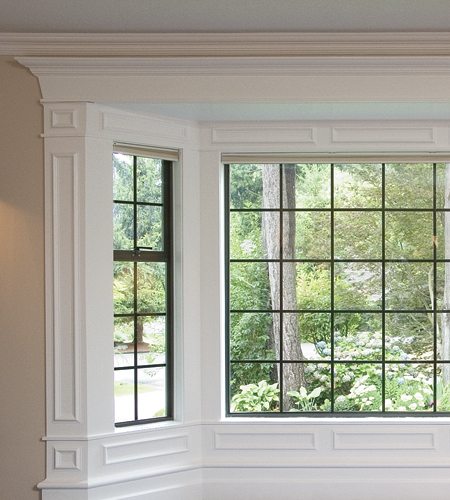
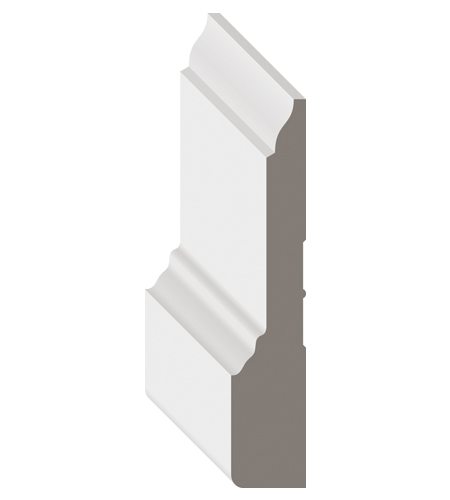
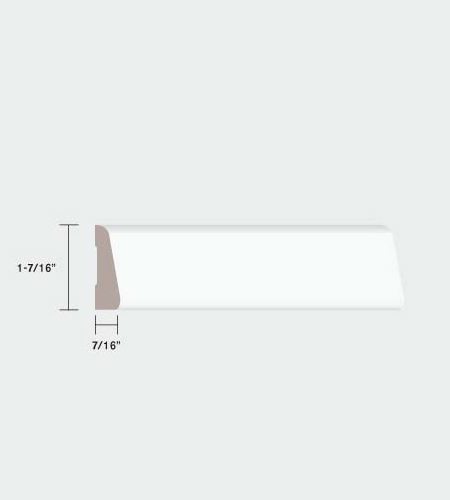
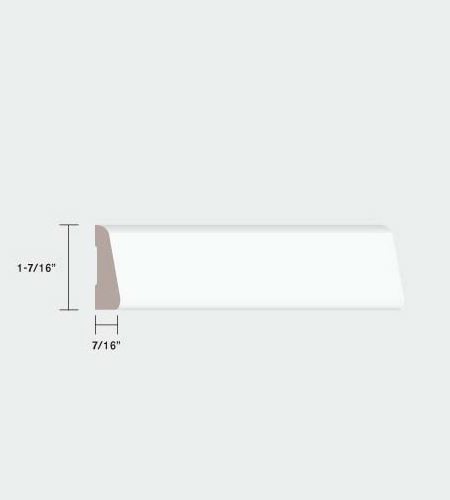
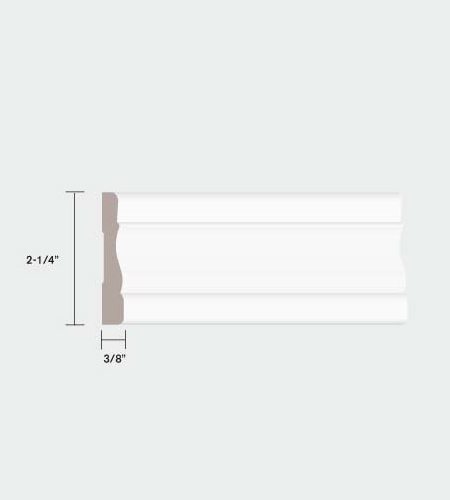
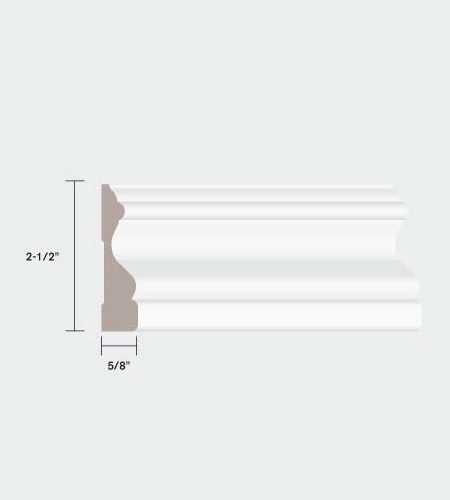
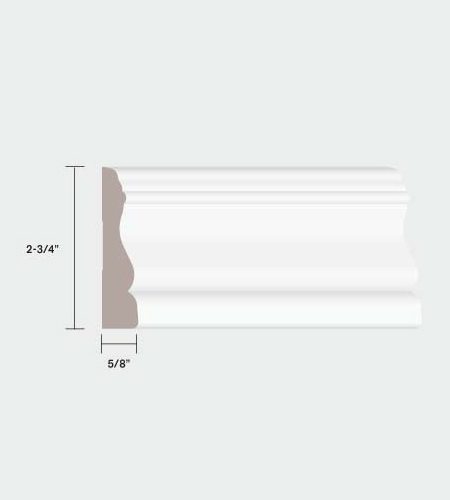
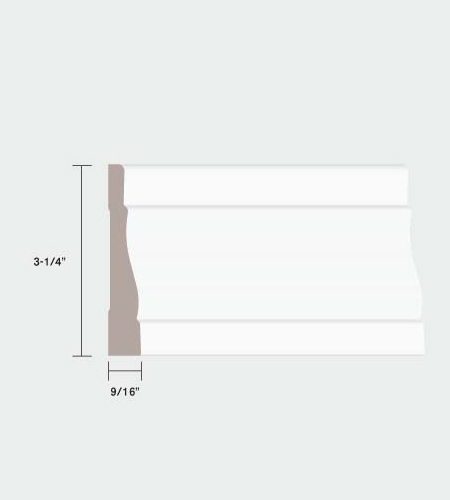
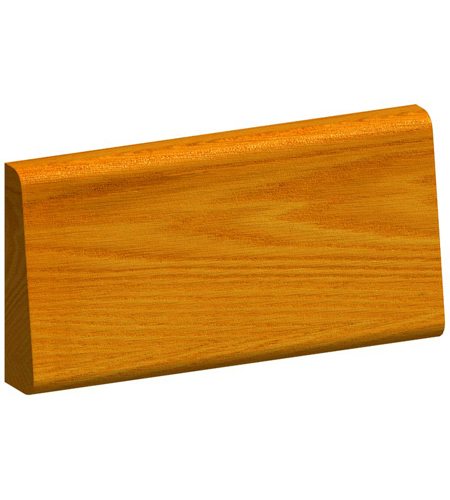
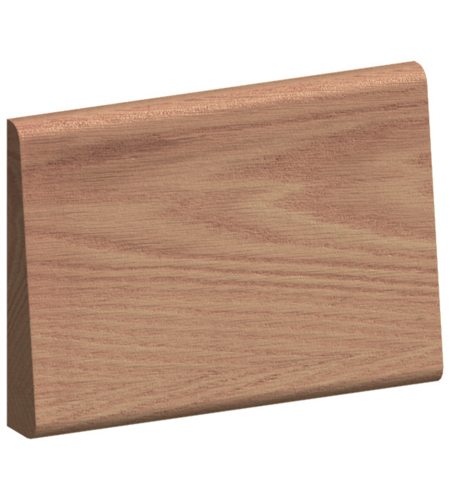
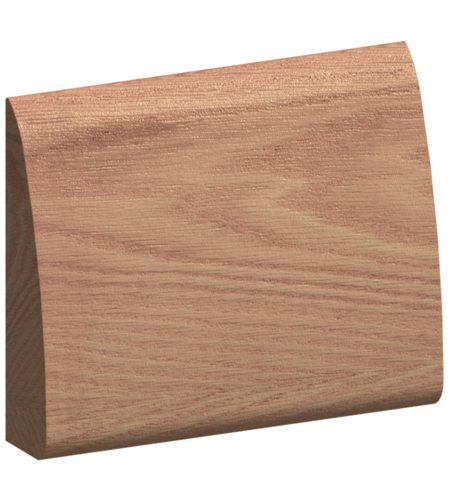
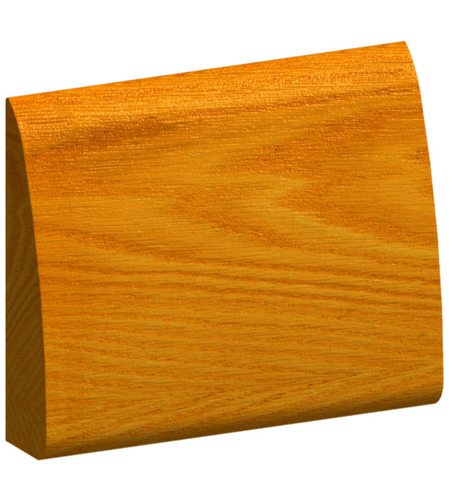
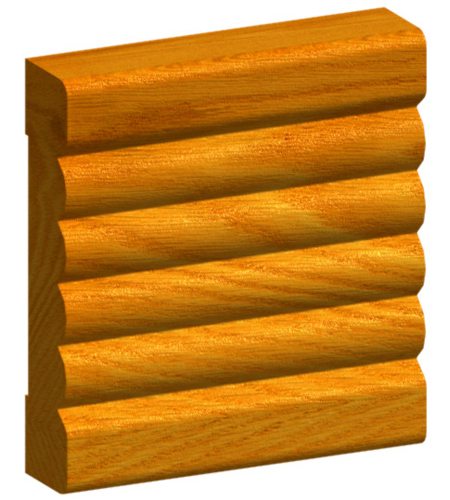
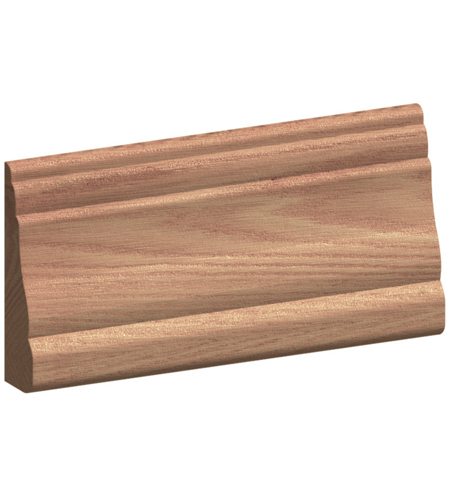
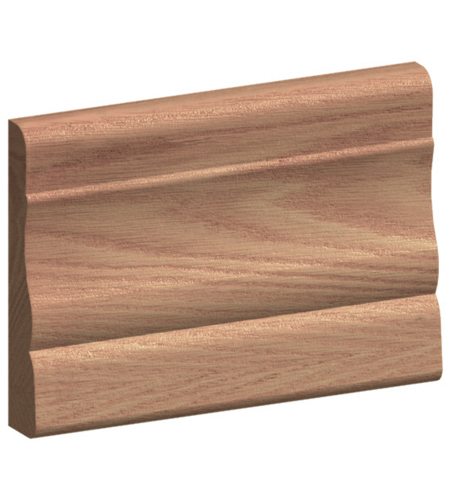
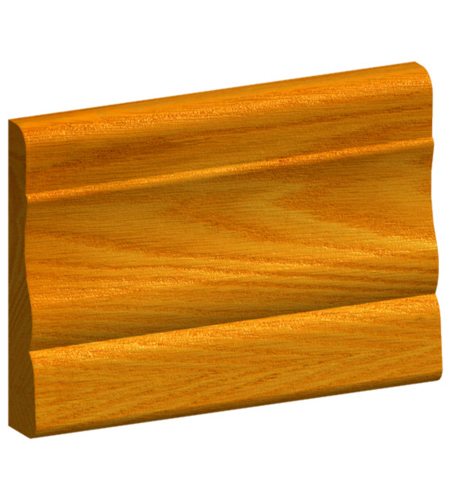
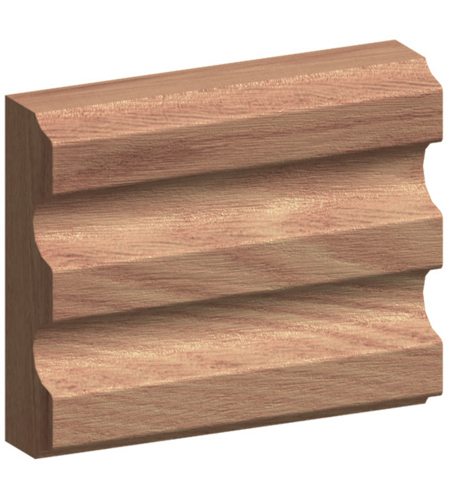
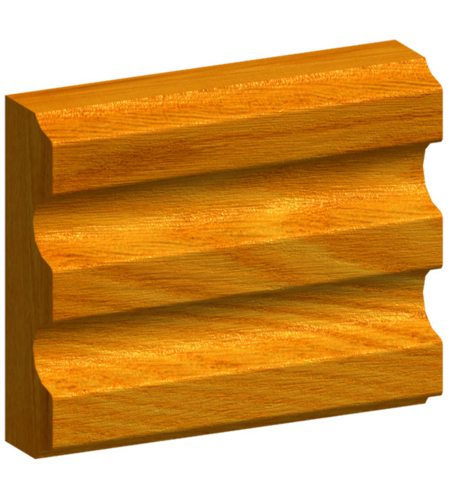
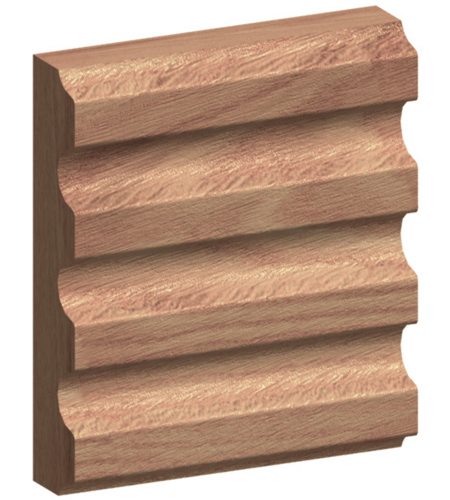
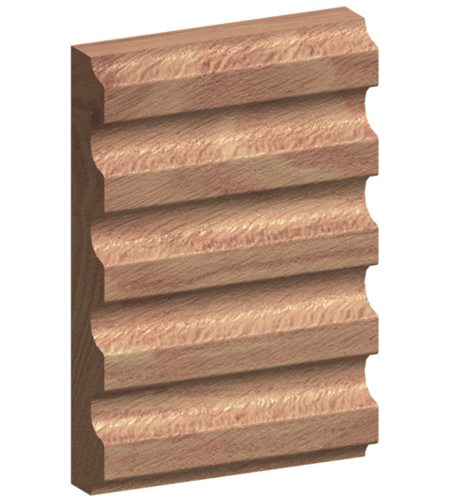
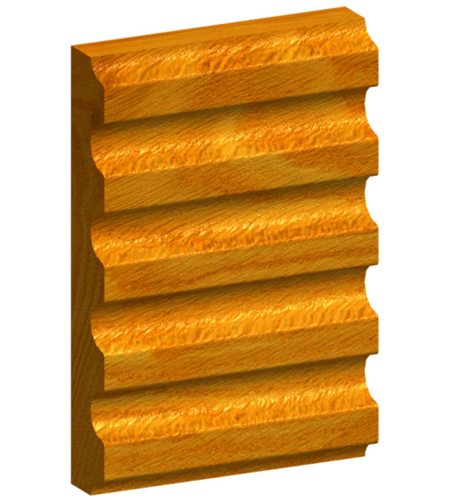
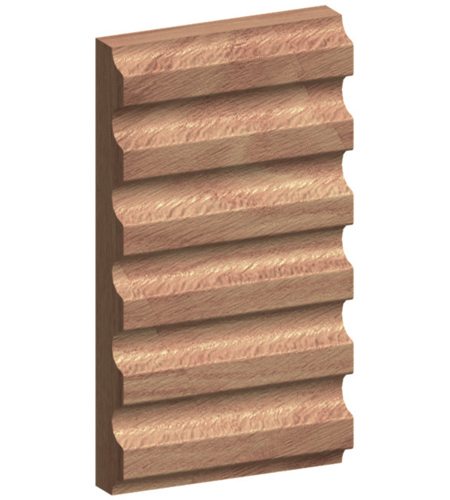
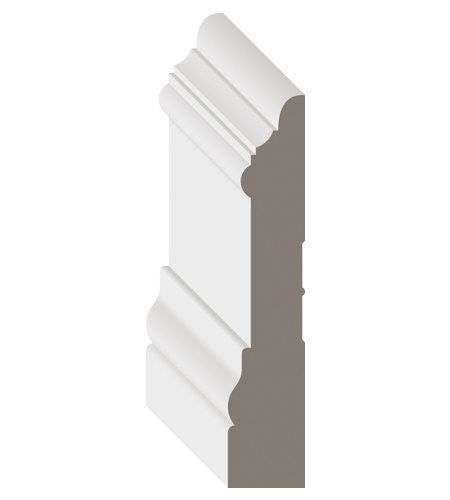
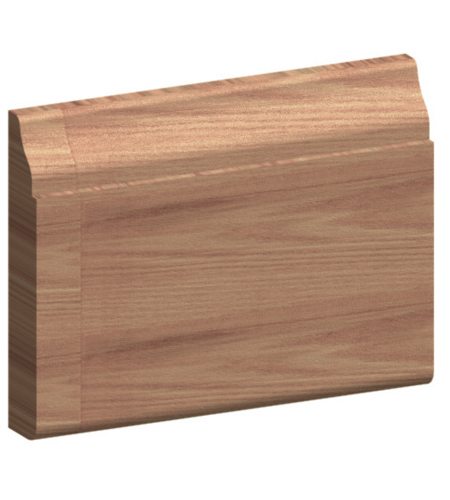
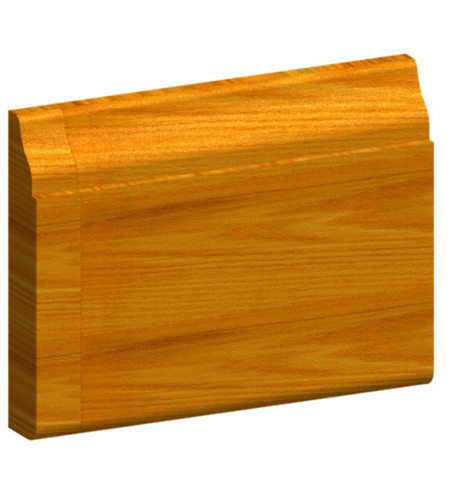
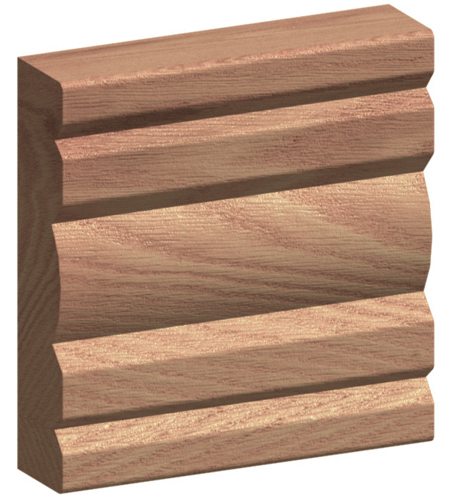
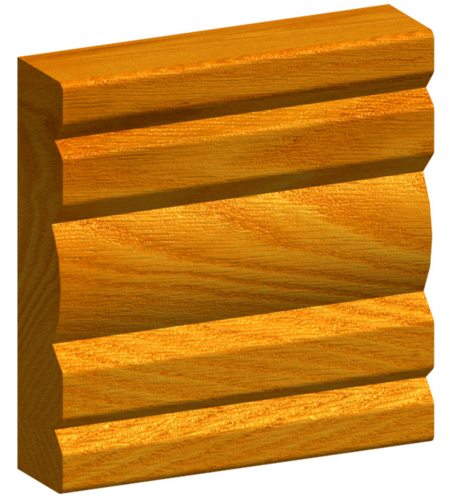
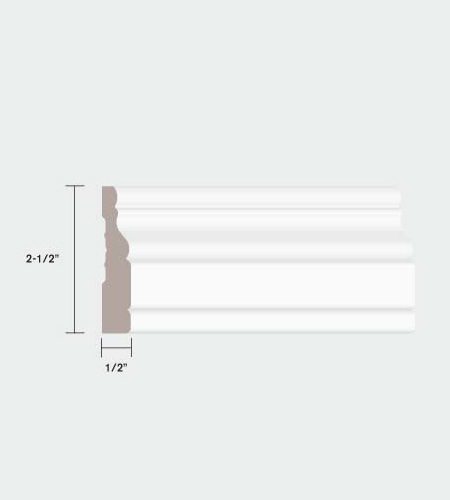
Add a polished, finished look to your doors and windows with high-quality casing. Casing trim is essential for covering gaps between walls and frames while enhancing the architectural style of your space. Whether you prefer a simple, modern profile or something more decorative and traditional, we carry a wide range of styles, sizes, and materials—including MDF, oak, maple, fir, hemlock, and more. Our casing options are available in raw or pre-primed finishes, ready for paint or stain to match your interior design. Perfect for new builds, renovations, or custom projects, casing trim ties a room together with clean, crisp lines and lasting detail. As a proudly Canadian company with locally owned stores, Windsor Plywood offers hard-to-find moulding profiles and expert advice to help you make the right choice. Visit your local store to explore our full casing selection and complete your project with confidence.








Frequently Asked Questions
What is door and window casing used for?
Casing is the trim moulding that frames the perimeter of a door or window opening, covering the gap between the frame and the wall finish. It is both functional and decorative, concealing the rough opening and adding a finished, polished transition between the door frame and the wall.
What profiles are available in wood casing at Windsor Plywood?
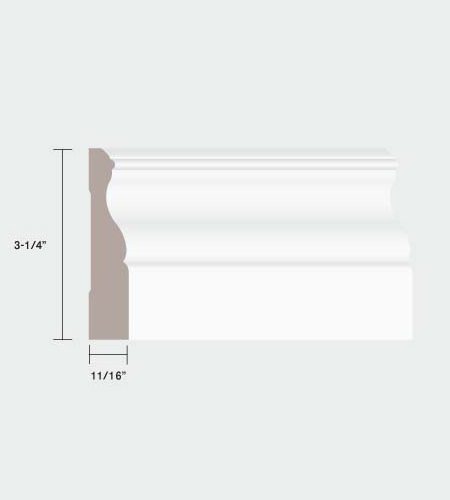
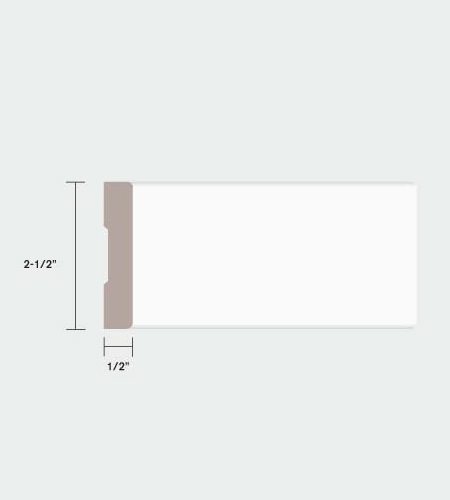
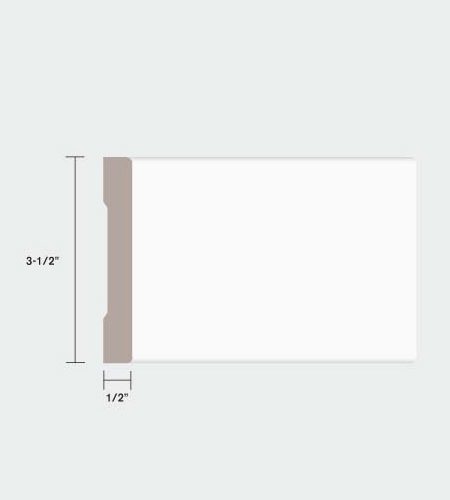
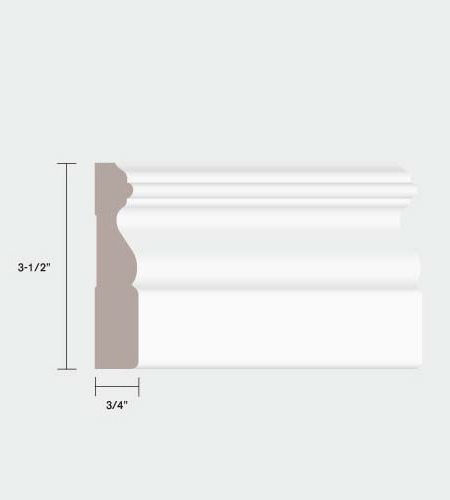
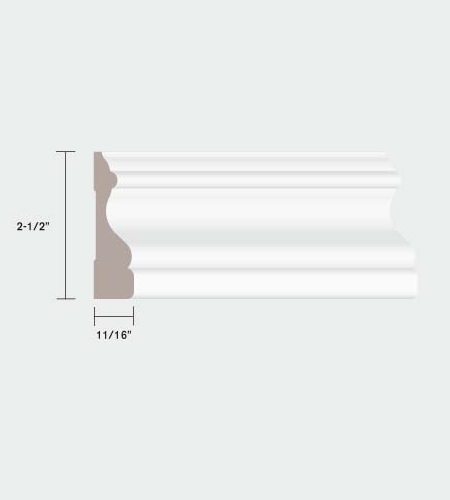
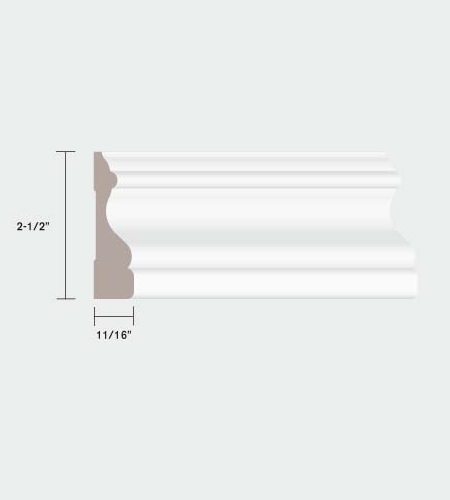
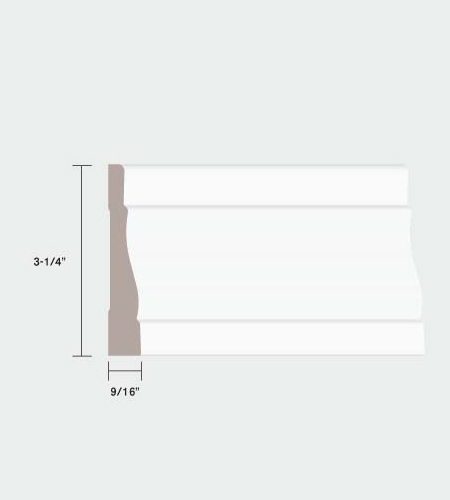
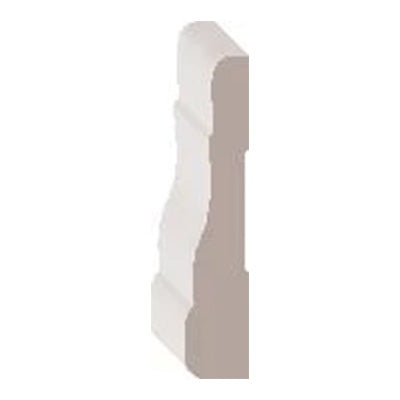
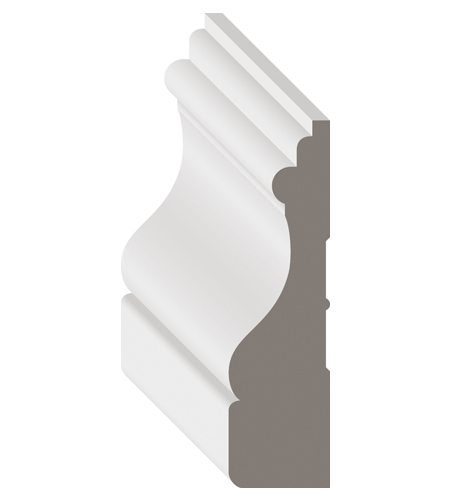
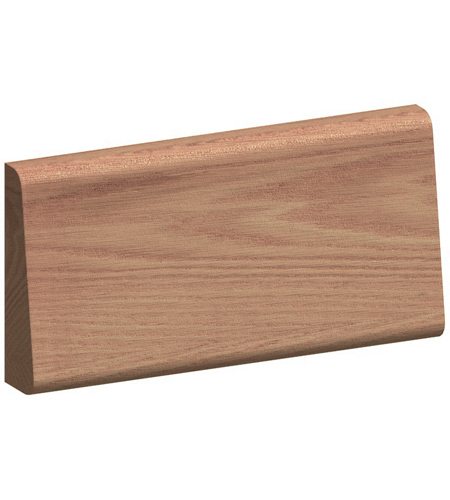
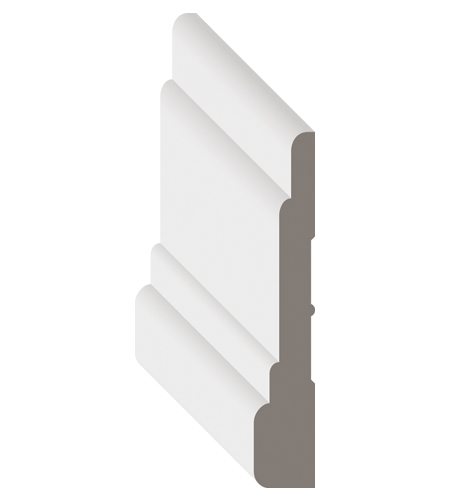
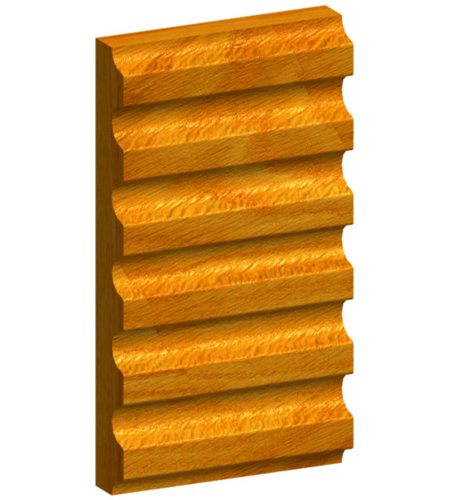
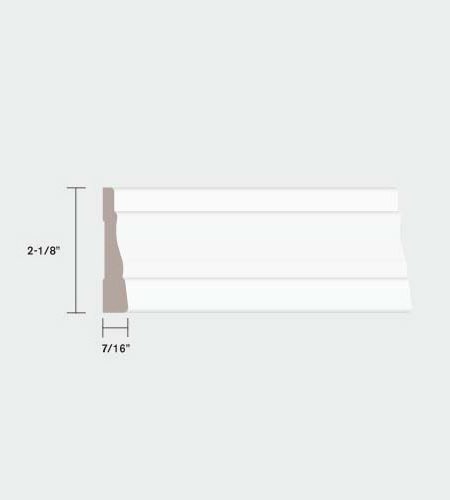
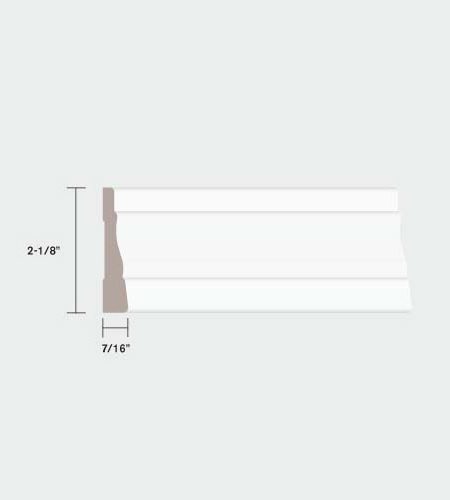
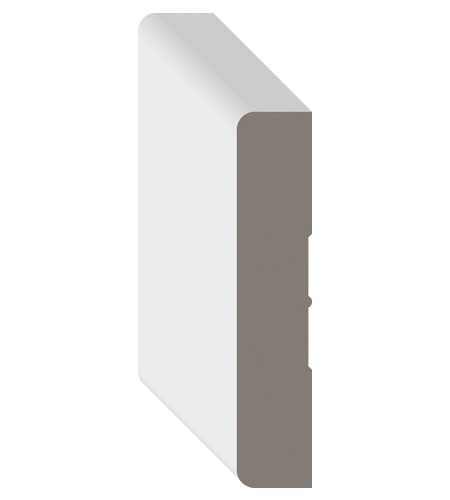
Windsor Plywood stocks casing in traditional ogee and colonial profiles, clean craftsman-style flat profiles, contemporary square-edge options, and various intermediate styles. Available in solid wood species including pine, oak, and hemlock, as well as paint-grade MDF and finger-jointed options.
How wide should door casing be?
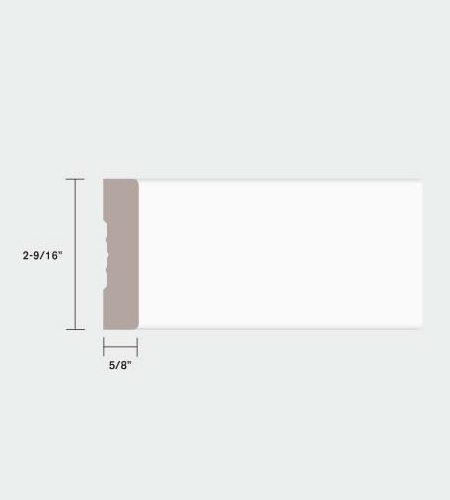
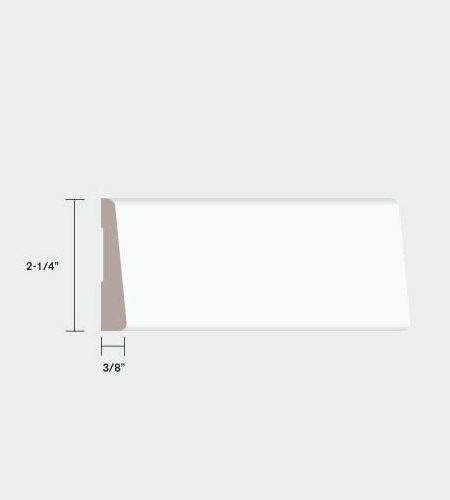
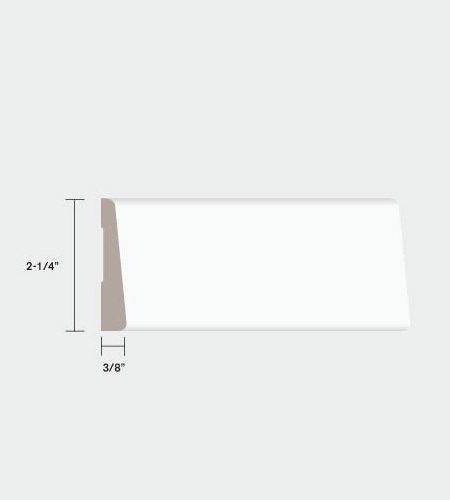
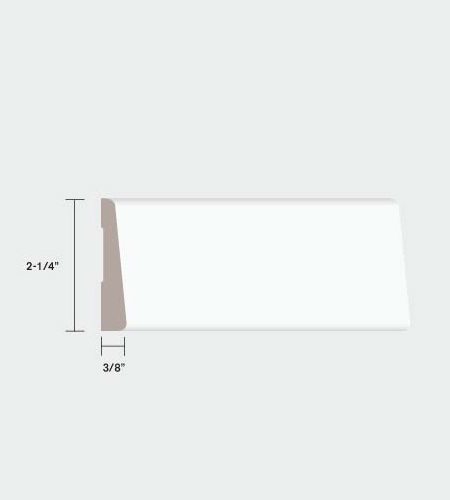
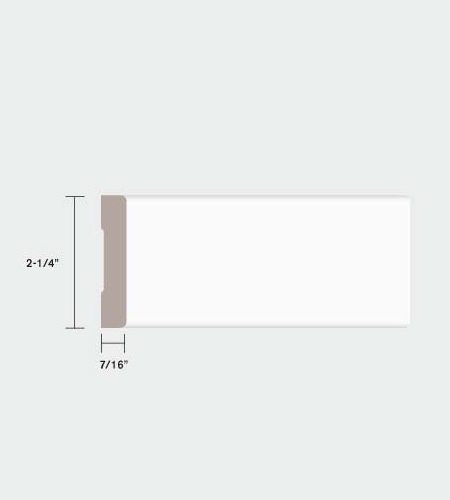
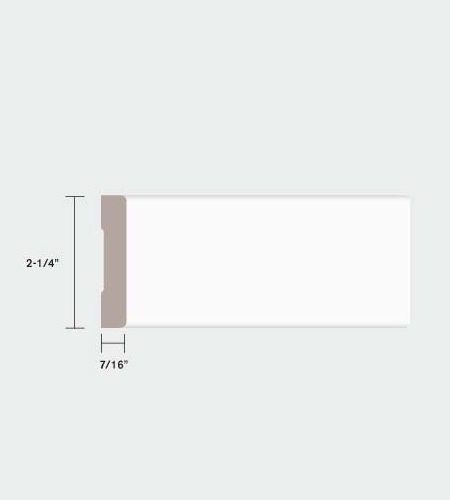
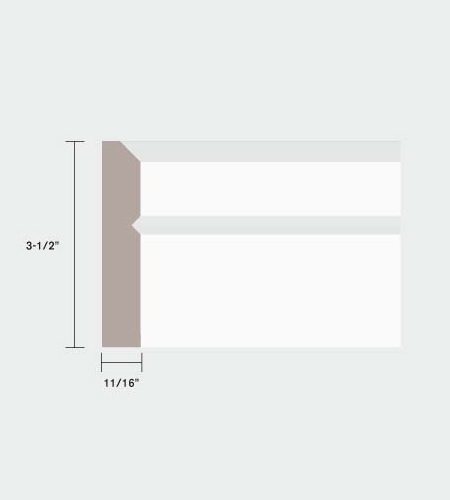
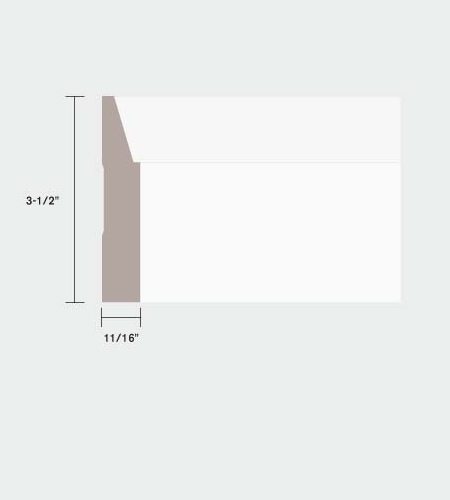
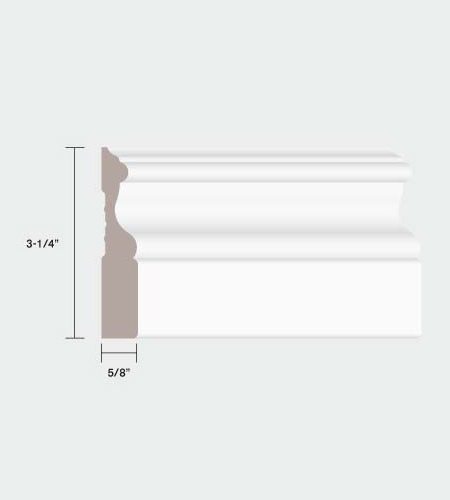
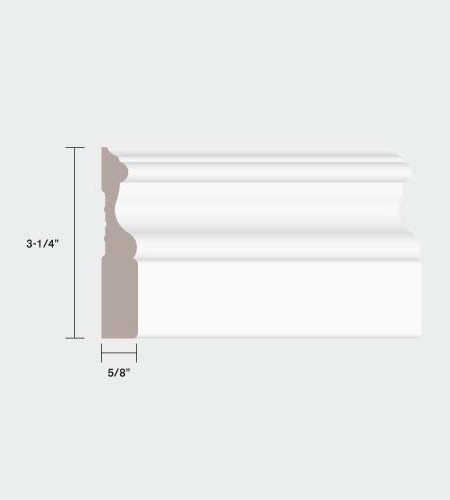
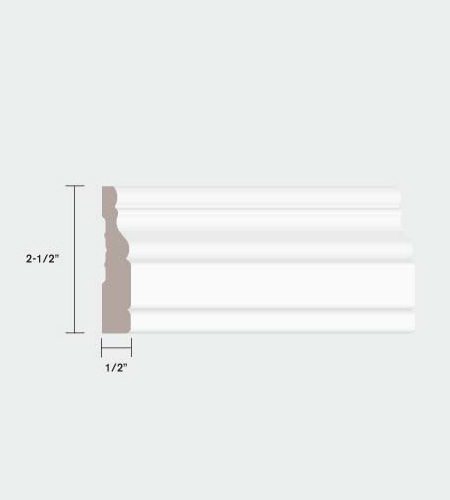
Standard residential casing runs between 2.25 inches and 3.5 inches wide. The right width depends on the door size, ceiling height, and surrounding trim. Wider doors and taller ceilings support wider casing. For a balanced look, casing width should be visually proportionate to the baseboard height in the same space.
Should I use the same casing profile for windows and doors?
Consistency within a room creates a unified, intentional look. Using matching casing profiles on all doors and windows in a space is standard practice. You can introduce subtle variation between floors or between formal and informal spaces, but mixing profiles within the same room typically looks unfinished.
What is the difference between casing and architrave?
The terms are often used interchangeably in residential context, both referring to the trim framing a door or window. Architrave is the more formal architectural term, and in some contexts refers specifically to larger, more decorative door surround trim. In practice at Windsor Plywood, both refer to door and window frame moulding.